Introduction
“I just want to buy my daughter a doll,” the overwhelmed grandmother says as she surveys the Hopscotch Lane showroom. “But I had no idea there were so many types! When I was young, there were baby dolls and Barbie. Now there’s… all this.”
She gestures at the carefully curated collection: realistic baby dolls next to simple Waldorf dolls, fashion dolls sharing space with 18″ dolls, collectible porcelain dolls displayed near articulated ball-jointed dolls. It is a lot to take in—but that’s precisely why help is available.
The world of dolls has expanded dramatically over the past few decades. Today’s parents and gift-givers face an array of choices that can feel overwhelming. Fashion dolls come in dozens of styles. Baby dolls range from ultra-simple to startlingly realistic. Cultural dolls celebrate diversity. Artist dolls push creative boundaries. And that’s before getting into the nuances of materials, sizes, and price points.
But here’s the good news: this variety exists for a reason. Different doll types serve different developmental needs, interests, and play styles. Understanding the landscape helps you find not just any doll, but the right doll.
At Hopscotch Lane, this question comes up every day: “Which doll is right for my child?” After years of helping families navigate these choices, this comprehensive guide to doll types was created. Whether you’re buying for a toddler or a collector, a fashion enthusiast or a future artist, this guide will help you understand your options and make the perfect choice.
Let’s look at the wonderful world of dolls together.
Fashion Dolls
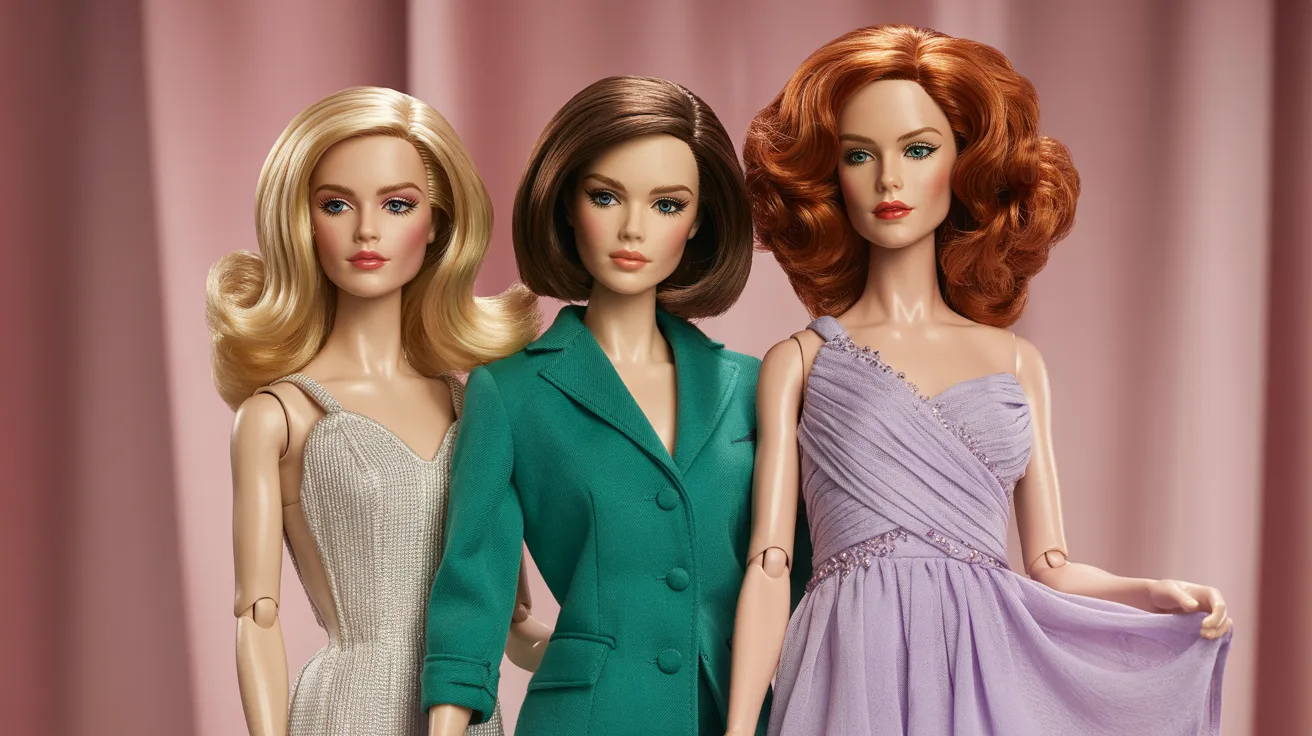
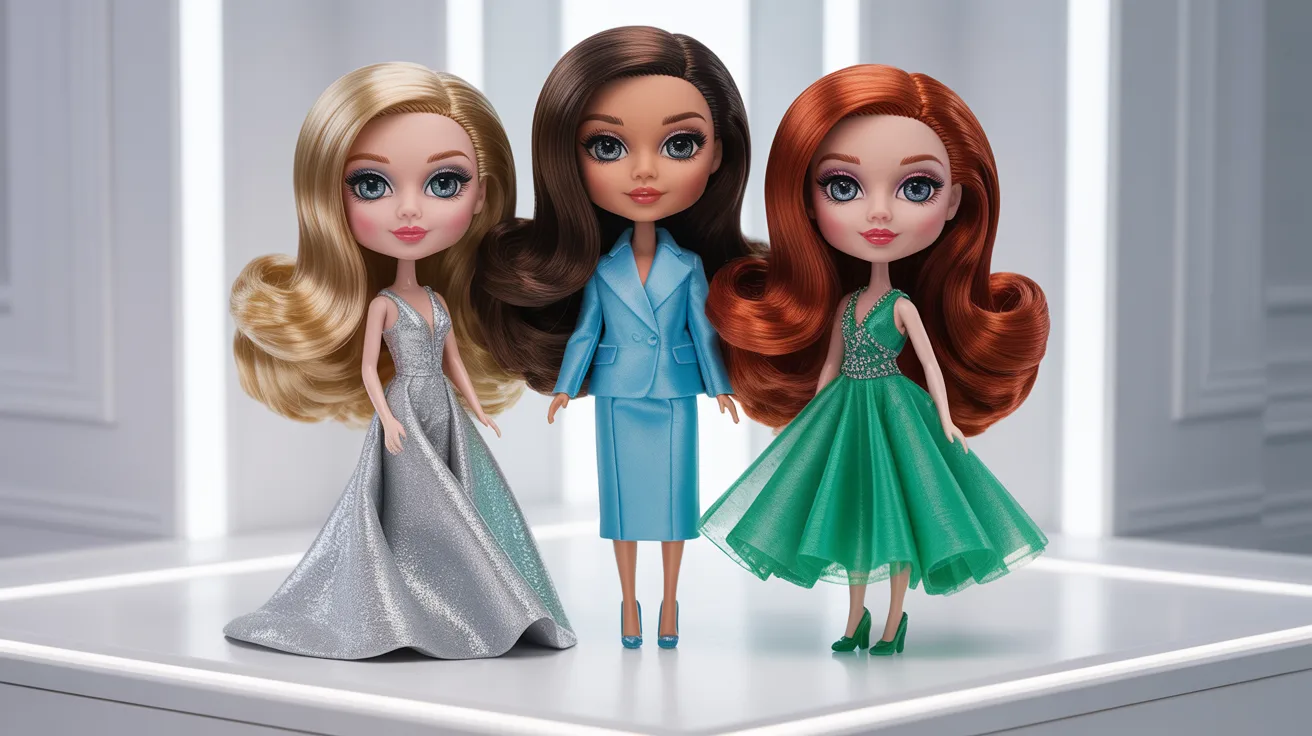
Barbie and Similar Fashion Dolls
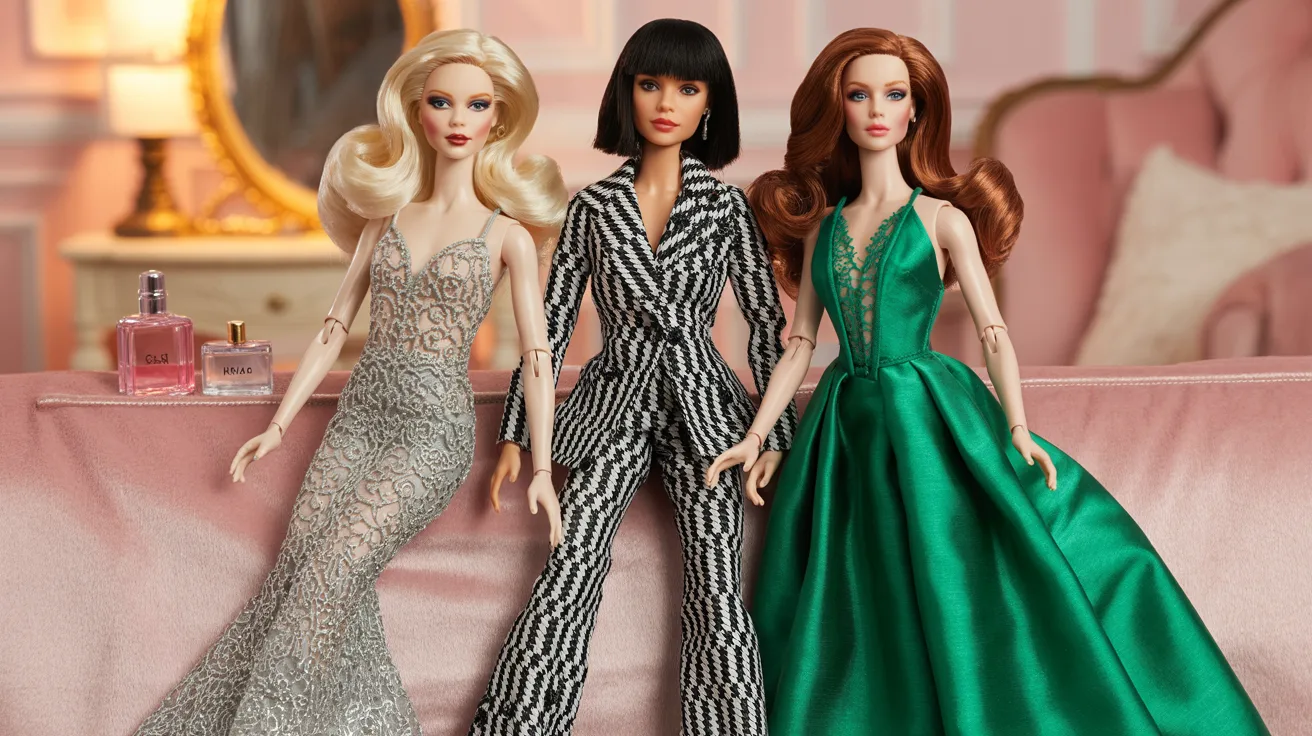
Walk down any toy aisle, and you’ll encounter the descendants of the world’s most famous doll. Barbie, introduced by Mattel in 1959, revolutionized doll play by presenting a teenage fashion model instead of a baby. Nearly 70 years later, fashion dolls remain some of the most popular toys in the world.
But today’s fashion dolls have evolved far beyond the original Barbie. The category now includes diverse brands, body types, and representations that reflect our increasingly inclusive world.
Age Range: 3+ years (though appeal often peaks between ages 5-10)
Play Benefits:
- Fashion and Styling: These dolls come with extensive wardrobes and accessories, encouraging creativity through outfit creation and styling
- Storytelling: The aspirational nature of fashion dolls invites elaborate narrative play
- Fine Motor Skills: Dressing and undressing dolls with small outfits, shoes, and accessories develops dexterity
- Social Play: Fashion dolls are highly compatible—friends can bring their dolls together for shared adventures
The Evolution: Modern fashion dolls have responded to important cultural conversations about representation and body diversity. Where Barbie once came in essentially one body type, today’s lines feature diverse skin tones, body shapes, disabilities, and career representations.
Hopscotch Lane’s Fashion Doll Collection:
The store is selective about the fashion dolls carried. They must meet standards for quality construction, positive representation, and genuine play value. Here’s what’s in stock and why:
Barbie Fashionistas ($12.99-$24.99)
- Why they’re great: Mattel’s commitment to diversity shines in this line. Over 170 looks representing different body types (original, tall, petite, curvy), skin tones, hair textures, and even dolls using wheelchairs or with limb differences.
- Best for: Ages 5+, children interested in fashion and styling
- Staff Pick: The Barbie Fashionistas with careers (doctor, scientist, chef) send positive messages about possibilities
- Accessories: Extensive Barbie fashion packs ($8.99-$19.99) and playsets ($29.99-$89.99) are in stock
Rainbow High ($34.99-$44.99)
- Why they’re great: Superior quality at this price point—fully articulated bodies, detailed fabric clothing (not just molded plastic), and stunning hair that’s fun to style
- Best for: Ages 6+, especially children who love fashion and color
- What makes them special: Each doll represents a different color of the rainbow and comes with two complete outfits. The fashion quality is genuinely impressive.
- Customer Favorite: Rainbow High dolls are the #1 requested birthday gift at the store for the 7-9 age group
LOL Surprise OMG ($29.99-$39.99)
- Why they’re stocked: Despite some reservations about the “surprise” packaging model, these dolls have incredible articulation and styling potential
- Best for: Ages 6+, collectors, fashion enthusiasts
- What’s unique: The proportions are different (bigger heads, fashion-forward), appealing to kids who want something distinct from traditional fashion dolls
- Quality note: These last—articulated joints, rooted hair, fabric clothing
Best For: Children interested in fashion, styling, and storytelling. Fashion dolls work particularly well for:
- Kids who love creating outfits and scenarios
- Children who enjoy social play (fashion dolls are highly shareable)
- Budding fashionistas and designers
- Kids who respond to aspirational play (being older, having careers, going on adventures)
Honest Assessment: Pros:
- Extensive accessory ecosystems mean play can grow over time
- Highly social—compatible with friends’ dolls
- Encourage creativity through fashion combinations
- Wide price range makes them accessible
- Modern lines feature positive representation
Cons:
- Can encourage materialism if not thoughtfully managed
- Small accessories can be lost easily
- Some critics argue proportions aren’t body-positive (though this is improving)
- Lower-quality brands can fall apart quickly (which is why the selection is careful)
At Hopscotch Lane, help is available to navigate the fashion doll world with expertise and without judgment. Want to start a collection? Staff will recommend the best first purchases. Overwhelmed by accessories? They’ll show you the essentials versus the “nice to haves.”
Baby Dolls
If fashion dolls invite children to imagine themselves older, baby dolls invite them to practice nurturing and caregiving—some of the most important skills humans develop.
Baby dolls have been children’s companions for millennia. Archaeological digs have uncovered ancient dolls in Egypt, Greece, and Rome. The appeal is timeless: children are hardwired to respond to baby features (big eyes, round faces, small bodies) and to want to care for them.
Age Range: 18 months+ (with appropriate safety features)
Developmental Benefits:
- Nurturing and Empathy: Caring for a baby doll teaches children to consider others’ needs
- Language Development: Children talk constantly to and for their baby dolls
- Life Skills: Practicing feeding, dressing, diaper-changing, and soothing
- Emotional Processing: Working through feelings about new siblings, separations, or transitions
- Responsibility: Learning to care for something beyond themselves
Materials and Types:
- Soft-bodied: Fabric bodies, vinyl limbs and heads—huggable and realistic
- All-vinyl: More durable, can be bathed, realistic weight
- Cloth dolls: Ultra-soft, safe for youngest children, often machine washable
- Weighted dolls: Realistic baby weight for authentic holding experience
Hopscotch Lane’s Baby Doll Collection:
Years have been spent identifying the baby dolls that truly last, that spark genuine nurturing play, and that children actually bond with. The collection represents the best of what’s available:
Corolle Baby Dolls ($29.99-$69.99)
Corolle is a French company that’s been perfecting baby dolls since 1979, and it shows. These are the baby dolls that become beloved companions.
- Mon Doudou Line ($29.99-$34.99): For youngest children (birth-18 months). Ultra-soft, vanilla-scented, no hard parts. Machine washable. The perfect first doll.
- Mon Premier Poupon ($34.99-$39.99): For toddlers (18 months-3 years). Soft body, simple features, vanilla scent. The eyes don’t close—a deliberate choice that prevents mechanical failures. Available in multiple skin tones.
- Bébé Calin ($39.99-$49.99): For preschoolers (3-5 years). Slightly more realistic features, eyes that close, soft body. The goldilocks of baby dolls—not too simple, not too complex.
- Bébé Bath ($44.99-$59.99): All-vinyl body perfect for water play. Weighted for realism. Ages 18 months+.
Why Corolle works: The vanilla scent is comforting (and distinctive—no other brand smells quite like it). The stitching is reinforced. The proportions are realistic. And they hold up to YEARS of intense love.
Customer Story: A customer’s now-8-year-old daughter still sleeps with the Corolle Mon Doudou she received as a first birthday gift. Seven years of nightly cuddling, and it’s still intact. That’s the quality here.
Götz Dolls ($79.99-$149.99)
Götz is a German company known for exceptional craftsmanship. These are heirloom-quality dolls.
- Baby Dolls ($89.99-$119.99): Incredibly realistic features, weighted bodies, eyes that close. Some can drink water and “wet” their diapers for authentic care play. Ages 3+.
- Muffin Line ($79.99-$89.99): Slightly simpler than full Götz babies but still German quality. Soft bodies, realistic proportions.
Why Götz works: German engineering applied to dollmaking. These dolls last for generations. The attention to detail is remarkable—realistic skin textures, hand-painted features, carefully designed joints.
When to invest in Götz: When you want a doll that will be passed down. When the child is genuinely interested in realistic, detailed care play. When quality is the top priority.
Baby Stella ($34.99)
Designed by Manhattan Toy Company with input from child development experts, Baby Stella has become the go-to recommendation of pediatric occupational therapists.
- Age Range: 18 months-5 years
- Why it’s special: Soft, huggable body. Magnetic pacifier and bottle (satisfies desire for “real” feeding without frustration). Machine washable (seriously—throw it in the washer). Simple, sweet face.
- Available in: Peach, Brown, and Latino skin tones
The Complete Baby Stella Ecosystem:
- Feeding and Changing Set ($24.99)
- Stroller ($49.99)
- High Chair ($39.99)
- Take-Along Travel Set ($34.99)
Why Baby Stella is recommended: It’s the perfect balance of cuddly and realistic, affordable and quality. The magnetic features are genius—toddlers can successfully “feed” the baby without getting frustrated.
Middleton Dolls ($59.99-$89.99)
American-made dolls with incredible attention to detail.
- Features: Soft bodies, beautifully detailed faces, weighted for realism
- What’s unique: Many come with special touches like christening outfits or nursery rhyme themes
- Age Range: 2+
Interactive Baby Dolls
Hopscotch Lane is cautious about electronic dolls—many break quickly or the electronics interfere with imaginative play. However, select interactive options are available:
- Corolle Bébé Câlin Interactive ($69.99): Responds to attention with coos and giggles. Not overly electronic—just enough interaction to delight.
- Ages: 18 months+
Best For Baby Dolls:
- Young children learning nurturing and caregiving
- Kids preparing for a new sibling
- Children who love routine and ritual
- Kids who need comfort objects
- Practicing life skills in a safe way
At Hopscotch Lane, help choosing is based on:
- Your child’s age and size (doll should be proportionate)
- Play interests (feeding, bathing, diapering)
- Budget
- Durability needs
- Desired features (eyes that close? All soft? Realistic weight?)
Come visit, and let your child hold different dolls. The connection is often immediate and obvious.
Waldorf/Natural Dolls
In the corner of the Hopscotch Lane showroom dedicated to Waldorf and natural dolls, you’ll notice something different. These dolls are quieter somehow. Softer. More peaceful. Their simple faces and natural materials create an entirely different play experience.
Waldorf dolls originate from the educational philosophy developed by Rudolf Steiner in the early 20th century. Waldorf education emphasizes imagination, natural materials, and simplicity—principles reflected in these distinctive dolls.
The Philosophy:
Waldorf dolls are intentionally simple. The faces feature minimal detail—often just dots for eyes, a suggestion of a mouth, perhaps rosy cheeks. This simplicity is purposeful: it leaves room for the child’s imagination. The doll can be happy, sad, scared, or excited depending on the child’s projection.
Natural materials dominate: cotton, wool, linen, sometimes silk. No plastics, no synthetics, no electronics. Colors are often muted or drawn from natural dyes.
Age Range: Birth through childhood (different styles for different ages)
Benefits:
- Open-ended play: The lack of detailed features means the doll can be anything the child imagines
- Imagination development: Without prescribed expressions or functions, children create everything through imaginative play
- Sensory experience: Natural materials provide rich tactile input
- Chemical-free: No concerns about plastics, synthetic dyes, or off-gassing
- Heirloom quality: Handmade with care, these dolls often last generations
- Calming presence: There’s something inherently peaceful about these dolls
Hopscotch Lane’s Waldorf & Natural Doll Collection:
Partnerships with skilled artisan doll makers who create authentic Waldorf-style dolls using traditional techniques.
Handmade Waldorf Dolls ($75-$150)
Each doll is handmade by artisans who specialize in Waldorf techniques:
- Infant Dolls ($75-$95): Simple, soft, perfect for babies and young toddlers. Organic cotton exterior, wool stuffing. 8-12″ sizes. The face is just dots—the simplest representation of human features.
- Toddler Dolls ($95-$125): Slightly more defined features, jointed limbs for posing. Natural hair (usually wool or mohair). 12-14″ sizes. Ages 18 months+.
- Child Dolls ($125-$150): More sophisticated construction, more detailed (but still simple) features. Can stand and be dressed in elaborate outfits. 14-18″ sizes. Ages 3+.
Customization Available: Many artisan makers can create dolls with specific hair colors, skin tones, or even likenesses (for an additional fee). Families have commissioned dolls that match their children.
Käthe Kruse Dolls ($95-$195)
Käthe Kruse is a German company making Waldorf-style dolls since 1911. This is as close as you get to “name brand” in the Waldorf world:
- Why they’re stocked: Over 100 years of expertise. Certified organic materials. Gorgeous craftsmanship.
- The Waldorf Collection: True to Waldorf principles—simple faces, natural materials, calming presence
- Price range: $95-$195 depending on size and complexity
Grimm’s Dolls and Toys ($45-$85)
German company Grimm’s makes simple peg dolls and figures that complement Waldorf play:
- Rainbow Friends: Simple peg dolls in rainbow colors that can become anything (people, animals, magical creatures)
- Why they’re great: Open-ended, beautiful, perfectly sized for small hands
- Ages: 3+ (small parts)
What To Expect With Waldorf Dolls:
- Handmade variations: Each doll is slightly unique—that’s part of the charm
- Care requirements: Often surface-clean only or hand-wash only
- Price point: Higher than mass-produced dolls, reflecting handmade craftsmanship
- Longevity: These dolls can last for decades with proper care
- Play style: Better suited to imaginative, quiet play than rough-and-tumble
Best For:
- Families prioritizing natural materials and simplicity
- Waldorf or Montessori-aligned homes
- Children with sensitive sensory systems
- Collectors of artisan work
- Those seeking heirloom-quality dolls
- Parents who value imagination over prescribed play
When Parents Choose Waldorf:
Families often transition to Waldorf dolls after experiencing the overwhelm of mainstream toys. They’re seeking something gentler, simpler, more intentional. The conversation usually goes:
“So many toys, but she didn’t really play with any of them. Then someone gifted her a simple handmade doll, and suddenly she was engaged for hours. That’s what brought the family here.”
At Hopscotch Lane, the Waldorf philosophy is understood and guidance is available through the options. Staff will explain the differences between doll makers, help choose an age-appropriate size, and even facilitate custom commissions.
Care Instructions: Detailed care cards come with each Waldorf doll purchase, explaining how to clean and maintain these special treasures.
American Girl and 18″ Dolls
In 1986, Pleasant Company (later acquired by Mattel) introduced American Girl dolls with a revolutionary concept: historically accurate 18″ dolls, each with her own time period, backstory, and accompanying books. The idea was to make history accessible and engaging through play.
Nearly 40 years later, 18″ dolls remain one of the most popular doll categories for school-age children. And while American Girl is the most famous brand, several quality alternatives have emerged.
Age Range: 6+ (though appeal often extends through age 12+)
Benefits:
- Historical learning: Characters from different time periods teach history through narrative
- Reading encouragement: Accompanying books integrate literature with play
- Representation: Modern dolls reflect diverse backgrounds, abilities, and experiences
- Detailed play: Extensive accessories support elaborate scenarios
- Collectibility: These dolls often retain value and become keepsakes
- Social play: Compatible size means friends can share adventures
The 18″ Doll Phenomenon:
What makes these dolls special is the completely developed world around them. It’s not just a doll—it’s a character with a story, a personality, a complete wardrobe, furniture, pets, even vehicles. Children can read about the character, then act out scenarios or create new ones.
For many families, the first 18″ doll marks a transition from “baby toys” to more sophisticated play. It’s a rite of passage.
Hopscotch Lane’s 18″ Doll Selection:
An intentional choice has been made: rather than stock expensive American Girl dolls directly, the focus is on quality alternatives that offer similar play value at more accessible price points. This is done because every child deserves a special doll, not just families with significant disposable income.
Our Generation 18″ Dolls ($39.99-$79.99)
Made by Battat, Our Generation dolls have become the go-to American Girl alternative:
- Quality: Surprisingly excellent. The hair is rooted nylon that brushes nicely. The bodies are soft-cloth with poseable vinyl limbs. The eyes don’t close (avoiding mechanical issues), and faces are sweet and detailed.
- Price Point: $39.99 for basic dolls, up to $79.99 for deluxe dolls with books and accessories
- Variety: Over 40 different doll options representing diverse ethnicities, hair types, and even abilities (including dolls with hearing aids and mobility devices)
- What comes with them: Most include a simple outfit and basic accessory. Deluxe dolls include coordinating books (short chapter books perfect for emerging readers).
Why Our Generation works: For roughly half the price of American Girl dolls, you get very comparable quality. Side-by-side comparisons show the differences are minimal, especially to a child.
Customer Testimonial: “My daughter wanted an American Girl doll for her 7th birthday—$115 just for the doll! We found Our Generation at Hopscotch Lane, and honestly, she couldn’t be happier. The quality is excellent, and we used the money we saved to buy furniture and accessories.”
The Complete Our Generation Ecosystem at Hopscotch Lane:
Dolls: $39.99-$79.99 (over 40 to choose from)
Furniture & Playsets:
- Bedroom sets: $59.99-$89.99
- Kitchen sets: $49.99-$79.99
- School desk: $39.99
- Camping set: $69.99
- Horse and stable: $89.99-$119.99
Clothing & Accessories:
- Outfit sets: $19.99-$29.99
- Seasonal collections: $24.99
- School uniforms, dance outfits, sports gear, pajamas
- Shoes: $8.99
- Accessories (bags, jewelry, glasses): $9.99-$14.99
Pets: $14.99-$24.99 (dogs, cats, horses with accessories)
Vehicles: $49.99-$89.99 (bicycle, scooter, car)
Special Features:
- Salon accessories: $24.99 (for styling doll hair)
- Medical kits: $19.99 (for veterinarian or doctor play)
- Camping gear: $34.99
Journey Girls ($49.99-$69.99)
Toys R Us’s answer to American Girl, now carried in specialty stores:
- Quality: Slightly higher price point than Our Generation, with some additional detail in face painting
- What’s different: More articulated—these dolls can pose in more positions
- Best for: Children who want lots of posing options
How to Build Collections:
Starting an 18″ doll collection can feel overwhelming and expensive. At Hopscotch Lane, families are guided through strategic buying:
Year 1 – The Foundation ($150-$200 budget):
- One doll ($39.99-$79.99)
- One furniture piece—bedroom set recommended ($59.99)
- 2-3 outfit sets ($19.99 each)
- Basic accessories
Year 2 – Expanding Play ($150-$200 budget):
- Second doll (now they can have “friends” play)
- Another furniture piece (kitchen, school desk)
- More outfits
- A pet
Year 3 – Full World ($200+ budget):
- Special items (vehicle, horse, elaborate playset)
- Seasonal/themed outfits
- Additional accessories
Gift Registry Service: An 18″ doll gift registry is offered where relatives can contribute to specific items. Grandma can buy the doll, aunt can purchase outfits, friends can gift accessories—everyone participates in building the collection.
Best For 18″ Dolls:
- School-age children (6-12)
- Kids who love storytelling and detailed play
- Beginning readers (the books are excellent)
- Children ready for more sophisticated play
- Kids who enjoy collecting and curating
Storage Solutions:
18″ dolls and their accessories can take over a room! Organization solutions in stock:
- Doll storage trunks: $49.99
- Hanging wardrobe organizers: $29.99
- Accessory bins: $19.99
At Hopscotch Lane, 18″ doll expertise is available. Help includes:
- Choosing the first doll (this is important—get it right!)
- Planning accessory purchases strategically
- Setting up gift registries
- Coordinating group gifts
- Finding specific items
- Recommending storage solutions